
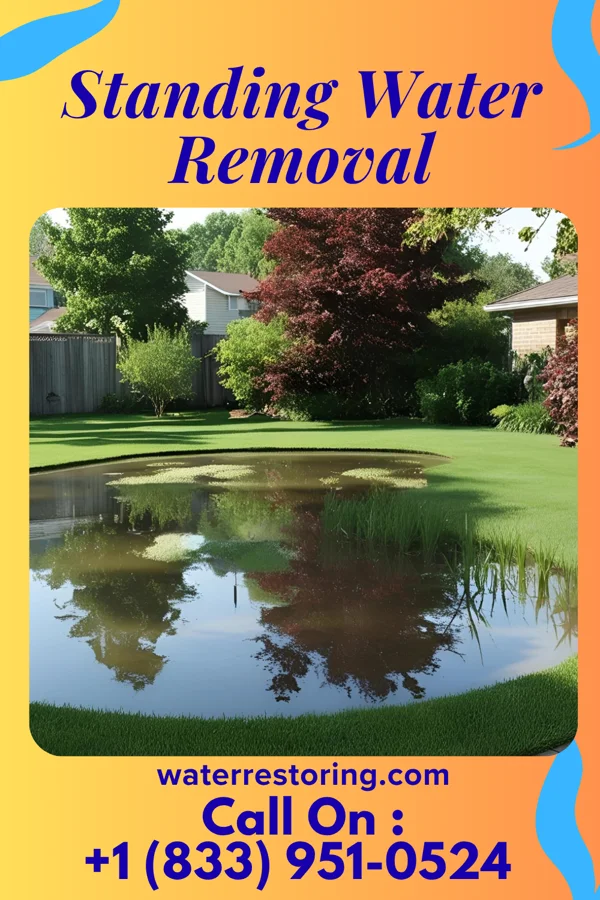
Common Standing Water Causes in Midville
Most standing water removal calls in Midville come from In Midville, Georgia, the primary water damage cause is often due to heavy rainfall and flooding from the nearby Canoochee River, which can lead to basement flooding and structural water intrusion. Additionally, agricultural runoff from nearby rural areas can cause localized water accumulation in low-lying regions.. A close second is Secondary causes include plumbing leaks from aging infrastructure, sewer backups during heavy storms, and groundwater seepage into basements of older homes. These issues are common in the rural setting of Midville, where many homes are built on permeable soil.. If you know what is about to happen, the decisions during the first 48 hours get a lot easier.
Midville experiences a humid subtropical climate with frequent thunderstorms and heavy rainfall, increasing the risk of water damage. The region is also prone to flash flooding, especially during late spring and early summer, which can overwhelm local drainage systems.
Most standing water removal calls in Midville come from In Midville, Georgia, the primary water damage cause is often due to heavy rainfall and flooding from the nearby Canoochee River, which can lead to basement flooding and structural water intrusion. Additionally, agricultural runoff from nearby rural areas can cause localized water accumulation in low-lying regions.. Running a close second is Secondary causes include plumbing leaks from aging infrastructure, sewer backups during heavy storms, and groundwater seepage into basements of older homes. These issues are common in the rural setting of Midville, where many homes are built on permeable soil.. Local mold risk: Mold can develop rapidly in Midville's humid climate, especially in homes with poor ventilation or water intrusion from flooding. Prompt water damage restoration is critical to prevent mold growth and protect indoor air quality.
For public guidance on the health effects of mold after prolonged water exposure, see the EPA mold and health page.